
DC CHARGING ADAPTER · B2B SUPPLY
CCS2 to GB/T DC Adapter
For importers validating named GB/T vehicles on destination-market CCS2 DC charging networks before volume procurement.
Compatibility is a tested combination. Review the vehicle, software and destination chargers before approving a batch.
Project pricing: quantity, approved configuration, OEM scope and delivery terms are confirmed in the quotation.
One adapter. One charging direction.
Follow the path from the CCS2 charging cable to the compatible GB/T vehicle inlet.
Know what is confirmed—and what must be reviewed.
Connector direction is fixed. Vehicle compatibility, final ratings and commercial terms belong to the named project configuration.
CCS2 DC charging cable
GB/T DC vehicle inlet
Named model, year and software
Relevant networks and charger brands
Approved configuration datasheet
Production drawing and instructions
Defined for the review programme
Confirmed after configuration review
Agreed for sample and batch delivery
Label, manual and packaging review
Defined in accepted commercial documents
Configuration-linked case handling
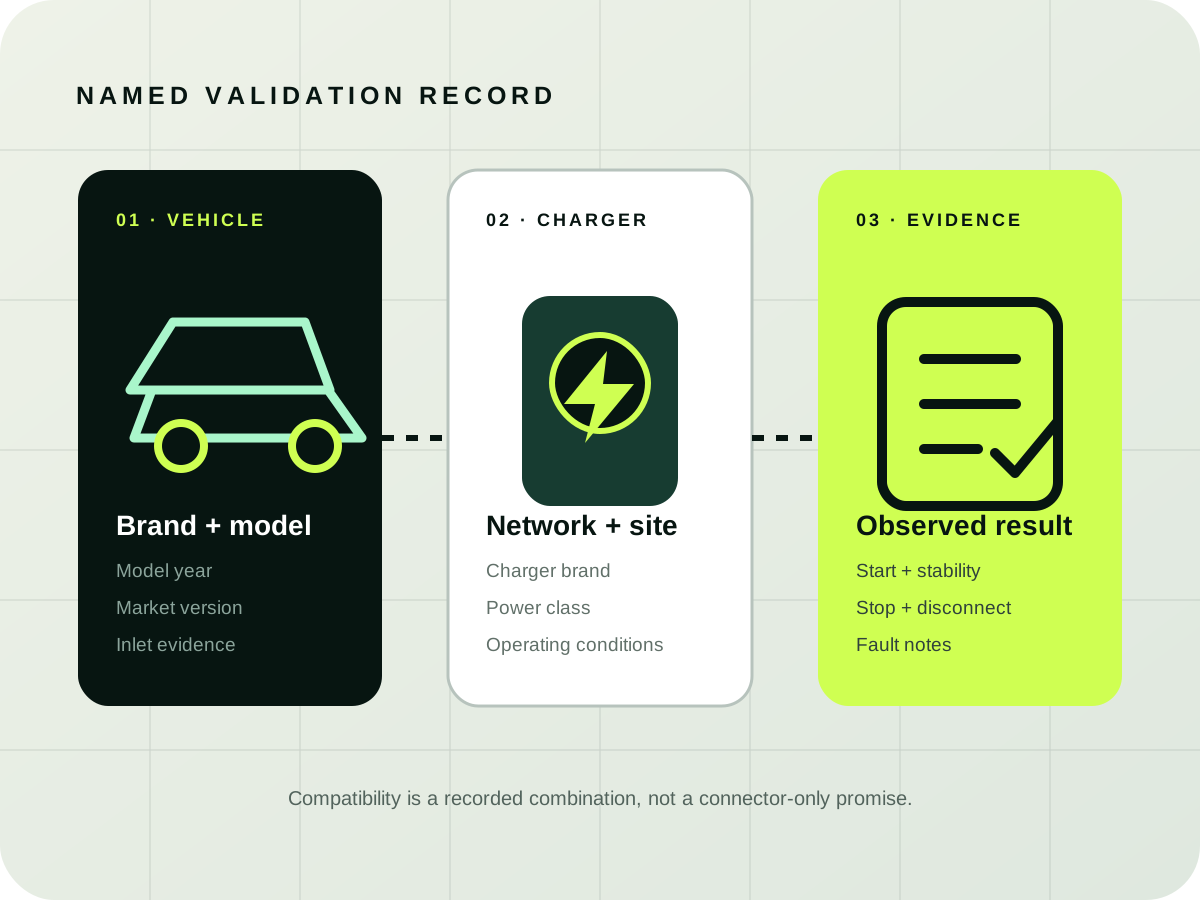
Validate the combination before the batch.
- 01Submit the vehicle brief
Model, year, software, inlet photos, destination market and intended chargers.
- 02Run a documented sample test
Record connection, startup, communication, stability, stop and disconnection.
- 03Lock the batch configuration
Approve the operating file, labeling, packaging and traceability before production.
Built around an importer decision.
Evidence and configuration stay connected from the first vehicle review through delivery and support.
Assess the named vehicle before volume.
Use commercially relevant CCS2 chargers.
Approve OEM scope and batch identity.
Keep case evidence linked to delivery.
Review the evidence expected for your market.
Select one destination. Every certificate or report must cover the exact model and supplied configuration.
EU Declaration of Conformity and technical file
Review the exact product classification and applicable electrical, EMC and materials requirements before making a market claim.
- Exact-model declaration
- Applicable test reports
- Traceable label, manual and technical file

GB declaration and accepted marking route
Confirm the applicable legislation, technical documentation, marking route and responsible-party information for the exact configuration.
- Exact-model declaration
- CE or UKCA route review
- Importer labeling and record retention
EAC certificate or declaration route
Determine the certificate-versus-declaration route from the product classification, design and intended use.
- Low-voltage scope review
- EMC scope review where applicable
- Substances evidence where applicable
MoIAT scope and country-specific files
Confirm whether the exact classification enters a regulated-product route and which supporting documents apply.
- MoIAT / ECAS scope review
- CB evidence where applicable
- Labels and bilingual instructions
Electromobility product authorization review
Check the current SEC platform scope and the model-level evidence requested for this product classification.
- Brand-and-model product file
- Applicable IEC and GB/T evidence
- Authorization decision before claims

ABNT/IEC evidence without an unverified badge
Confirm whether the adapter’s final classification creates a regulated-product route before using any certification mark.
- ABNT NBR IEC 61851 review
- IEC interface evidence where applicable
- No INMETRO badge without approval
View the core technical evidence checklist
- IEC interface test basis where applicable
- GB/T interface and protocol evidence
- Temperature rise and insulation tests
- Ingress, mechanical and environmental tests
Final applicability must be confirmed by the responsible laboratory, conformity body and destination-market importer.
Frequently asked questions
Short answers for the first sourcing review. Project documents control the final configuration and commercial scope.
Yes. The station side is a CCS2 DC charging cable and the vehicle side is a GB/T DC inlet. It is not intended for the reverse direction.
No universal compatibility should be assumed. The exact vehicle, software, charging network and approved adapter configuration can affect the result.
Provide the vehicle model and year, market version, inlet photos, destination country, intended chargers, sample need and batch forecast.
Record the reviewed vehicle, charger and adapter configuration together with connection, startup, communication, stability, stop, disconnection and fault observations.
Labeling, manual, packaging and other OEM requirements can be reviewed. The accepted quotation and order documents define the final scope.
Coverage follows the accepted commercial documents. Keep vehicle, charger, batch, operating steps, photos, errors and case history connected for review.
NEXT STEP
Validate one vehicle before you scale.
Send the vehicle model, destination market, charging environment and first-batch quantity.